Views: 0 Author: Site Editor Publish Time: 2026-07-15 Origin: Site
Designing large-scale enclosures presents a constant engineering dilemma. You must balance structural integrity, weight reduction, and tooling investment. Traditional manufacturing methods often force engineers into a difficult compromise. This becomes painfully obvious during a specific product phase. We see it when you transition from prototyping to low-to-mid volume production. Producing 100 to 5,000 units annually for medical, laboratory, or industrial devices requires a strategic shift. Relying on steel molds or heavy sheet metal rarely makes economic sense. Utilizing reaction injection molding offers a highly viable path forward. It excels at manufacturing large, easily handled housings. However, commercial justification depends on clear factors. You must evaluate specific geometric complexity, tooling return on investment, and cosmetic demands. By matching your project to the right manufacturing process, you ensure better quality and faster market entry. Let us explore how this technique transforms modern hardware design.
Size & Weight Advantage: RIM utilizes low-viscosity thermoset polyurethane, requiring significantly lower injection pressures and enabling the production of massive parts with thin walls and low overall weight.
Tooling ROI: Aluminum tooling used in RIM costs a fraction of the P20 steel molds required for traditional injection molding, making it ideal for low-to-mid volume production.
Design Freedom: Unlike thermoforming or sheet metal, RIM allows for variable wall thicknesses, encapsulated inserts, and complex internal ribs without external sink marks.
The Trade-off: Cycle times are slower, raw material costs per pound are higher, and post-mold painting is typically required, meaning RIM is not suitable for ultra-high-volume, low-cost consumer goods.
When scaling physical products, hardware engineers frequently hit a manufacturing wall. Standard thermoplastic molding works brilliantly for small gadgets. However, scaling those dimensions upward introduces massive mechanical hurdles. We commonly encounter this limitation when attempting to produce large molded components for specialized machinery.
Traditional injection molding demands intense pressure. Machines must force thick, viscous melted plastics deep into a sealed cavity. Creating a bulky part requires massive clamping forces to keep the tool closed. These forces regularly exceed 1,000 tons for sizable panels. Operating presses of this magnitude exponentially increases hourly machine rates. Finding manufacturers possessing such heavy-duty equipment severely limits your vendor options. The sheer physics of pushing thick polymers over wide surface areas creates a rigid bottleneck.
Creating tools for standard thermoplastic processes demands intense capital. Machining huge P20 or H13 steel blocks takes hundreds of hours. Toolmakers must utilize massive CNC mills and specialized lifting cranes. If your product lifecycle only demands a few thousand units, you face a tough financial reality. Amortizing a massive steel mold over just 2,000 parts drives the per-unit cost incredibly high. Many projects fail commercial feasibility checks right at this tooling quotation stage.
Engineering teams routinely try to bypass steel mold costs. They often default to legacy fabrication workarounds. These alternatives bring severe design compromises.
Sheet metal: Metal provides robust protection but adds incredible weight to the assembly. It severely lacks aesthetic appeal. Forming complex organic shapes requires extensive welding, grinding, and manual finishing. This heavily restricts ergonomic, modern product designs.
Thermoforming: This method heats a plastic sheet. A vacuum then pulls it over a single-sided mold. It represents a cheaper entry point but limits mechanical functionality. You cannot achieve variable wall thicknesses. Corners often stretch dangerously thin. Integrating internal mounting bosses requires secondary gluing or ultrasonic welding.
Engineers need a reliable way to bypass extreme injection pressures. They also need a method to reduce physical material weight.
This process behaves differently than standard thermoplastic molding. Instead of melting solid plastic pellets, it mixes two liquid components. We typically use a liquid isocyanate and a liquid polyol. They mix thoroughly at low temperatures. This mixture enters the mold cavity under very low pressures. Inside the closed tool, an exothermic chemical reaction occurs rapidly. This chemical reaction cures the liquids into a solid thermoset polyurethane part. The material cross-links permanently, creating exceptional structural stability.
Engineers frequently leverage foaming agents during this chemical reaction. These agents help create a structural foam architecture. A structural foam part features a high-density, solid outer skin. It also contains a low-density, microcellular core. This unique sandwich structure behaves much like a steel I-beam. It dramatically cuts the physical weight of thick panels. You can develop a rigid lightweight equipment enclosure safely. The microcellular core prevents panels from bowing or sagging under heavy internal loads.
Because the initial liquids flow easily like water, internal mold pressures stay remarkably low. They typically remain well under 100 psi. We compare this to the thousands of psi required for traditional injection molding. This low-pressure environment directly solves the tooling cost barrier. You can utilize softer, less expensive mold materials. Aluminum alloys or even robust epoxy resins replace expensive tool steel. Softer metals machine significantly faster. This capability drastically cuts your upfront capital investments.
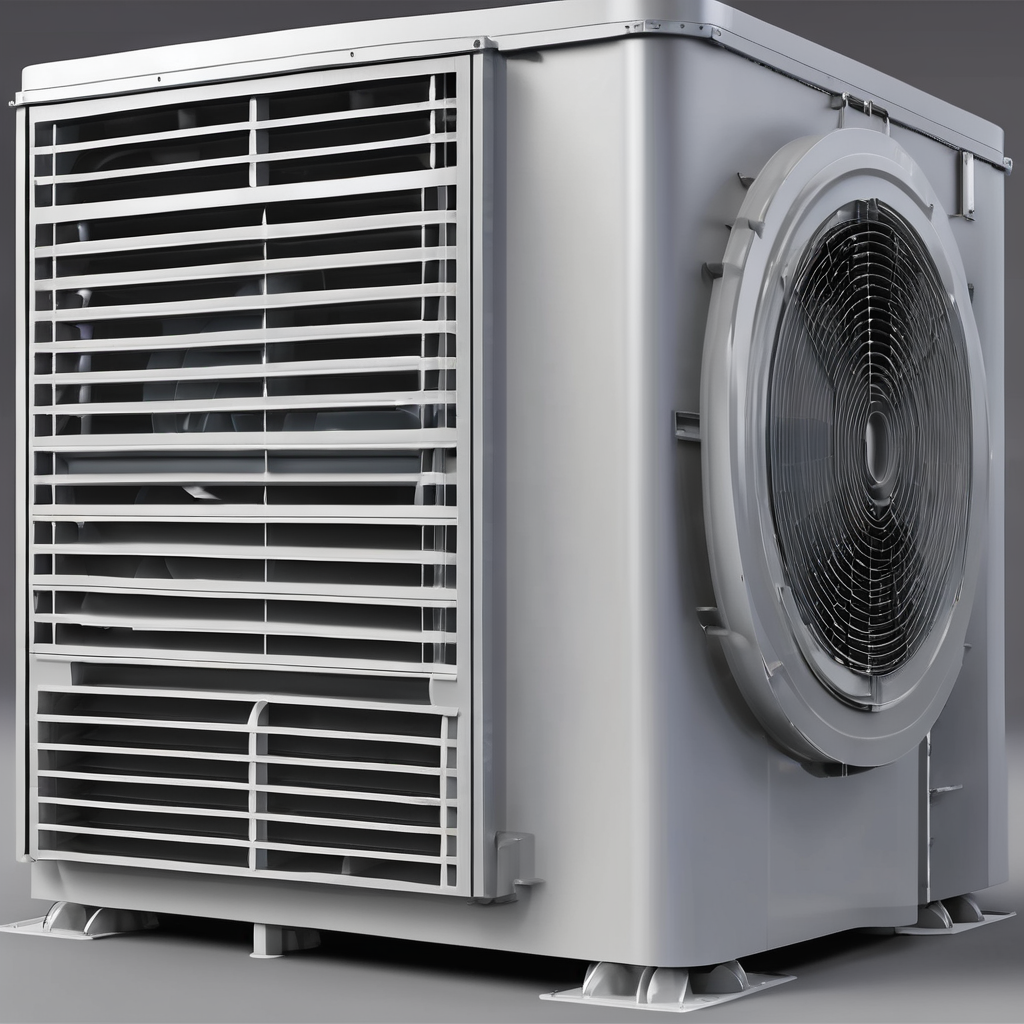
Deciding to use this chemical process requires a careful look at your exact design requirements. We must evaluate several structural and cosmetic factors simultaneously. Selecting this path for an industrial equipment housing often transforms the final product architecture.
A primary benefit is drastic part reduction. You should assess how a single molded component replaces complex multi-part sheet metal assemblies. The liquid mixture flows gently around encapsulated inserts before curing. This gentle flow allows you to directly mold-in hardware. You can embed threaded brass inserts, stiffening ribs, and structural chassis components in one step. You also form robust snap-fits internally. Combining multiple sub-assemblies into one single piece heavily reduces downstream assembly labor.
Surface finish capabilities matter immensely for high-end machinery. Many medical devices or analytical laboratory stations require a pristine appearance. Polyurethane readily accepts premium paints and specialized textures. These parts generally require post-mold painting or an advanced in-mold coating process. The final results look absolutely stunning. You achieve a sleek, premium Class-A finish. This quality suits highly visible clinical settings perfectly.
Standard thermoplastic parts demand strict, uniform wall thicknesses. Thicker sections cool slower, causing ugly external sink marks. This polyurethane process bypasses that strict rule completely. You gain the unique ability to transition from thick to thin cross-sections seamlessly. You might design a part moving from 0.25 inches thick up to 1.5 inches thick. The internal foaming action prevents material shrinkage. You get massive, solid mounting bosses internally. No cosmetic sink marks or surface warping will appear on the exterior show surface.
Polyurethane naturally possesses inherent insulating properties. Its cellular structure effectively dampens harsh machine vibrations. The material blocks out internal noise generated by powerful pumps or high-speed motors. Furthermore, it helps manage heat retention. It also assists in controlled dissipation across industrial applications. Managing noise and thermal output improves user comfort immensely.
No manufacturing method solves every problem flawlessly. You must understand distinct trade-offs before committing your engineering budget. Recognizing limitations early prevents costly project delays later.
Transparency regarding production speed is crucial here. This relies on an exothermic chemical reaction. It requires actual curing time inside the closed mold. Depending on total thickness and specific material formulation, parts sit in the tool for 1 to 5 minutes. It absolutely cannot compete with the rapid 15-second cycles of standard injection presses. Slower cycles mean lower daily throughput limits.
Polyurethane resin systems carry a noticeably higher price tag. They cost significantly more per pound than commodity thermoplastics. You will pay more than you would for common ABS, Polycarbonate, or Polypropylene. The economic model shifts entirely. You save massive amounts on initial tooling capital. However, you pay slightly more for the actual liquid plastic per unit.
Post-mold processing remains a strict necessity. When parts exit the press, workers must manually remove excess material flash from the parting lines. The material also requires surface protection. Standard polyurethane lacks robust natural UV stability. To prevent yellowing or surface degradation outdoors, a secondary painting step is typically required. Some progressive manufacturers offer in-mold painting techniques. Even then, secondary manual finishing remains the accepted industry norm.
Tool designers still need to follow basic molding geometry principles. Internal pressures are definitely lower. However, strict adherence to draft angles remains mandatory. You must apply proper draft (often 1 to 3 degrees) to release large, rigid parts safely. Ejecting parts without draft creates extreme friction. Failing to include draft angles damages the cosmetic surface upon ejection. It can also permanently scuff the aluminum tool.
Choosing the right method ensures structural success and manufacturing efficiency. You must compare competing technologies side-by-side. Finding the optimal path requires evaluating volume, weight, and complexity. Below is a strategic guide for shortlisting a RIM plastic housing versus other common fabrication techniques.
You should lean into this advanced technology under specific project parameters. Look for these clear indicators:
Your production volumes range steadily between 100 and 5,000 units annually.
The individual components are massive. They weigh anywhere from 5 lbs up to 100+ lbs.
Your design demands high geometric complexity. You urgently need internal mounting bosses, integrated cooling louvers, and widely varying cross-sectional thicknesses.
Sometimes simpler, older processes make more practical sense. You should pivot to thermoforming when:
The housing functions merely as a simple, protective dust cover. It utilizes a strictly uniform wall thickness throughout.
Complex internal mounting features are entirely unnecessary for the assembly.
You can easily attach necessary hardware later. Simple secondary gluing or manual mechanical fastening works fine.
High-volume commercial scenarios demand incredible speed. You should revert to standard injection molding when:
Your scheduled commercial production volumes exceed 10,000 units annually.
Part sizes remain relatively small. They must fit comfortably inside standard 300-ton to 500-ton injection presses.
Minimizing the individual piece-part cost becomes the absolute primary driver over minimizing the initial tool machining investment.
To clarify these critical decision points, examine this summary comparison table. It visually maps the primary differences across competing manufacturing methods.
Manufacturing Method | Ideal Annual Volume | Tooling Investment Level | Design Complexity Supported |
|---|---|---|---|
Reaction Injection Molding | 100 – 5,000 units | Moderate (Aluminum tools) | High (Variable thickness, inserts) |
Thermoforming | 50 – 2,000 units | Low (Single-sided molds) | Low (Uniform thickness only) |
Standard Injection Molding | 10,000+ units | High (Heavy steel molds) | High (Requires uniform walls) |
Reaction injection molding remains a highly effective engineering solution. It specifically targets the creation of large, lightweight equipment housings. It solves critical structural roadblocks perfectly. You achieve massive physical scale and robust rigidity without exhausting your capital budget. This success depends entirely on one main factor. You must align your planned production volume and geometric complexity with the process's specific economic sweet spot.
To prepare your next project effectively, take clear, actionable steps immediately. Start compiling a detailed Request for Quote early. You should finalize all CAD models thoroughly. Ensure you apply proper draft angles to all vertical surfaces. Next, identify any required structural inserts needing internal encapsulation. Thoroughly review material data sheets. Match the right polyurethane chemical blend to your exact thermal and structural requirements. Taking these proactive steps ensures a remarkably smooth transition into full-scale production.
A: The size limits are virtually limitless compared to traditional thermoplastic molding. Because the liquids enter the mold at incredibly low pressures, machines do not require massive clamping forces. You can mold parts ranging from a few square inches to massive panels over 10 feet long. Some finished components easily weigh over 100 pounds.
A: Yes, it is highly cost-effective for these ranges. The low internal mold pressures allow manufacturers to use lightweight, low-cost aluminum tooling. This setup amortizes exceptionally well for low-to-mid volume runs typically spanning 100 to 5,000 units. It safely overcomes the prohibitive steel mold costs associated with standard high-pressure injection molding.
A: Generally, yes. While you can pigment the raw liquid mixture, standard polyurethane tends to degrade or yellow under direct UV light exposure. Applying a post-mold paint or an advanced in-mold coating is standard practice. This secondary step protects visible equipment housings. It ensures long-term environmental durability and provides accurate brand color matching.